Electronic Resource
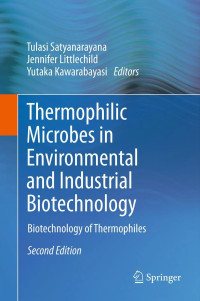
Thermophilic microbes in environmental and industrial biotechnology: biotechnology of thermophiles
The existence of life at high temperatures is quiet fascinating. At elevated temperatures, only microorganisms are capable of growth and survival. Many thermophilic microbial genera have been isolated from man-made (washing machines, factory effluents, waste streams and acid mine effluents) and natural (volcanic areas, geothermal areas, terrestrial hot springs, submarine hydrothermal vents, geothermally heated oil reserves and oil wells, sun-heated litter and soils/sediments) thermal habitats throughout the world. Both culture-dependent and culture-independent approaches have been employed for understanding the diversity of microbes in hot environments. Interest in their diversity, ecology, and physiology has increased enormously during the past few decades as indicated by the deliberations in international conferences on extremophiles and thermophiles held every alternate year and papers published in journals such as Extremophiles. Thermophilic moulds and bacteria have been extensively studied in plant biomass bioconversion processes as sources of industrial enzymes and as gene donors. In the development of third generation biofuels such as bioethanol, thermophilic fungal and bacterial enzymes are of particular interest. The book is aimed at bringing together scattered up-to-date information on various aspects of thermophiles such as the diversity of thermophiles and viruses of thermophiles, their potential roles in pollution control and bioremediation, and composting.
Keberadaan kehidupan pada suhu tinggi sungguh menakjubkan. Pada suhu tinggi, hanya mikroorganisme yang mampu tumbuh dan bertahan hidup. Banyak genus mikroba termofilik telah diisolasi dari habitat termal buatan manusia (mesin cuci, limbah pabrik, aliran limbah, dan limbah tambang asam) dan alami (daerah vulkanik, daerah panas bumi, sumber air panas terestrial, ventilasi hidrotermal bawah laut, cadangan minyak dan sumur minyak yang dipanaskan secara geotermal, serasah dan tanah/sedimen yang dipanaskan oleh matahari) di seluruh dunia. Pendekatan yang bergantung pada kultur dan tidak bergantung pada kultur telah digunakan untuk memahami keanekaragaman mikroba di lingkungan panas. Minat terhadap keanekaragaman, ekologi, dan fisiologi mereka telah meningkat pesat selama beberapa dekade terakhir sebagaimana ditunjukkan oleh pertimbangan dalam konferensi internasional tentang ekstremofil dan termofil yang diadakan setiap dua tahun dan makalah yang diterbitkan dalam jurnal seperti Ekstremofil. Jamur dan bakteri termofilik telah dipelajari secara ekstensif dalam proses biokonversi biomassa tanaman sebagai sumber enzim industri dan sebagai donor gen. Dalam pengembangan biofuel generasi ketiga seperti bioetanol, enzim jamur dan bakteri termofilik menjadi perhatian khusus. Buku ini bertujuan untuk menyatukan informasi terkini yang tersebar tentang berbagai aspek termofil seperti keanekaragaman termofil dan virus termofil, peran potensial mereka dalam pengendalian polusi dan bioremediasi, serta pengomposan.
Ketersediaan
Informasi Detail
- Judul Seri
-
-
- No. Panggil
-
E390
- Penerbit
- Dordrecht, Holland : Springer Dordrecht., 2013
- Deskripsi Fisik
-
XX, 954 Hlm.
- Bahasa
-
English
- ISBN/ISSN
-
9789400758995
- Klasifikasi
-
NONE
- Tipe Isi
-
text
- Tipe Media
-
computer
- Tipe Pembawa
-
online resource
- Edisi
-
2
- Subjek
- Info Detail Spesifik
-
-
- Pernyataan Tanggungjawab
-
Tulasi Satyanarayana, Jennifer Littlechild, Yutaka Kawarabayasi
Versi lain/terkait
Tidak tersedia versi lain
Lampiran Berkas
Komentar
Anda harus masuk sebelum memberikan komentar
 Karya Umum
  Filsafat
  Agama
Agama  Ilmu-ilmu Sosial
  Bahasa
  Ilmu-ilmu Murni
  Ilmu-ilmu Terapan
  Kesenian, Hiburan, dan Olahraga
  Kesusastraan
  Geografi dan Sejarah